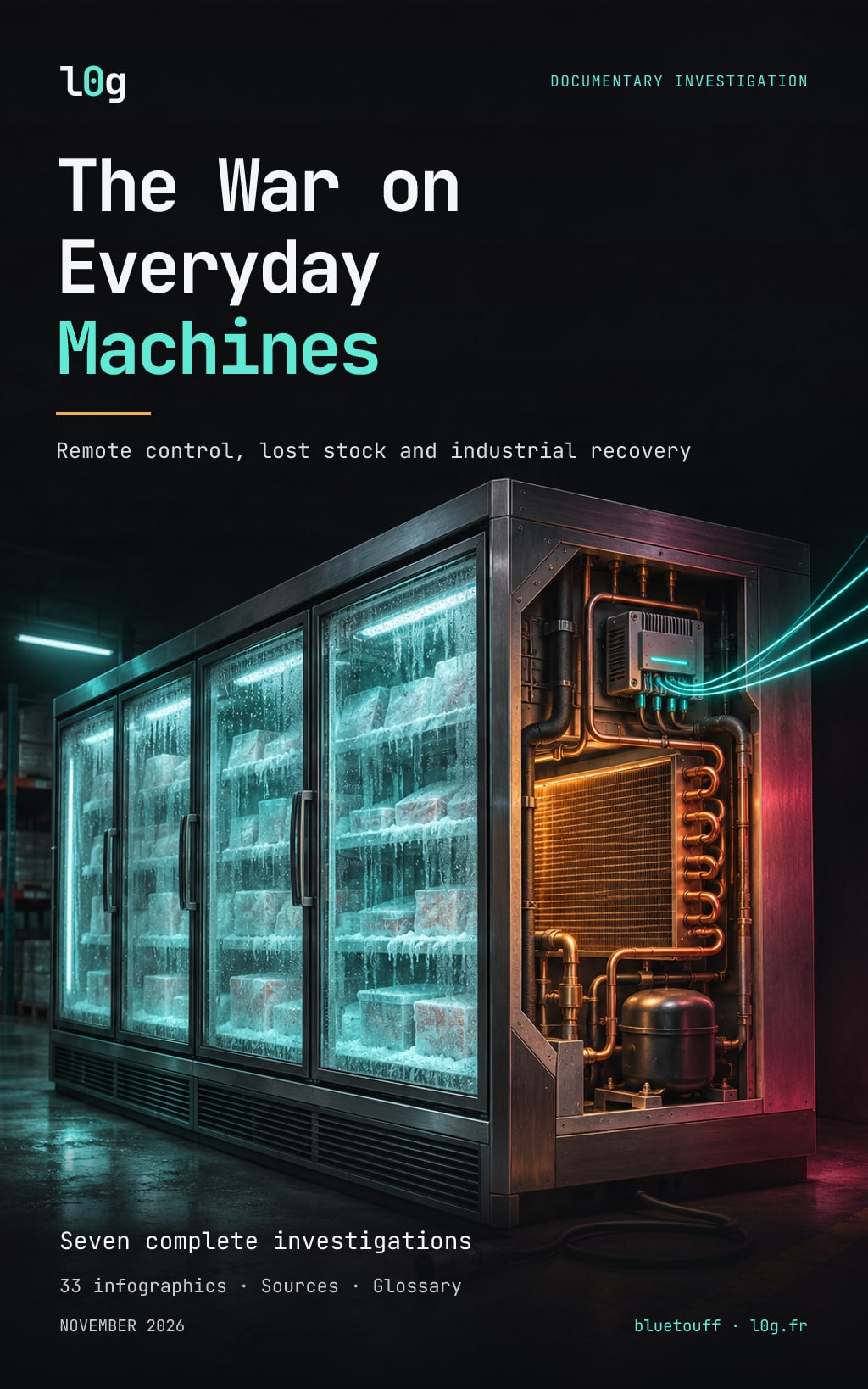
English edition ·
// l0g investigation · cyberattacks and the physical world
The War on Everyday Machines
Remote control, lost stock and industrial recovery
Remote access can disrupt equipment, destroy the value of inventory and leave staff searching for a way to reopen. Seven chapters follow that journey through shops and industrial sites, explaining the mechanisms, identifying the documents and keeping unresolved questions visible.
- 7
- complete analyses
- 33
- infographics
- EPUB 3
- offline reading
01 / introduction
The power to change a temperature
A command sent across a network can end with goods in a waste container. On the way, it passes through a controller, a piece of equipment, the surrounding air and time. Refrigeration makes that journey tangible: food retains its value only while its physical conditions are maintained. When those conditions change, a green status light still leaves people with decisions about safety, replacement stock and the return of normal trade.
In autumn 2026, France’s government incident-response centre, CERT-FR, confirmed compromises affecting several Danfoss, Copeland and Dixell refrigeration-controller families. Its alert, issued on 12 October and revised on 16 October, also asks operators to check insurance conditions before interrupting certain data feeds to their refrigeration contractor. That detail brings the contract onto the factory floor. A connection can carry maintenance access, alarms and information used to document storage conditions.
An original introduction opens the book and connects the seven analyses.
Evidence cited in this excerpt: the alert from France’s government incident-response centre, CERT-FR.
02 / reading journey
From remote control to restored service
The seven complete analyses, in reading order. Each chapter remains available online with its references and limitations.
 01
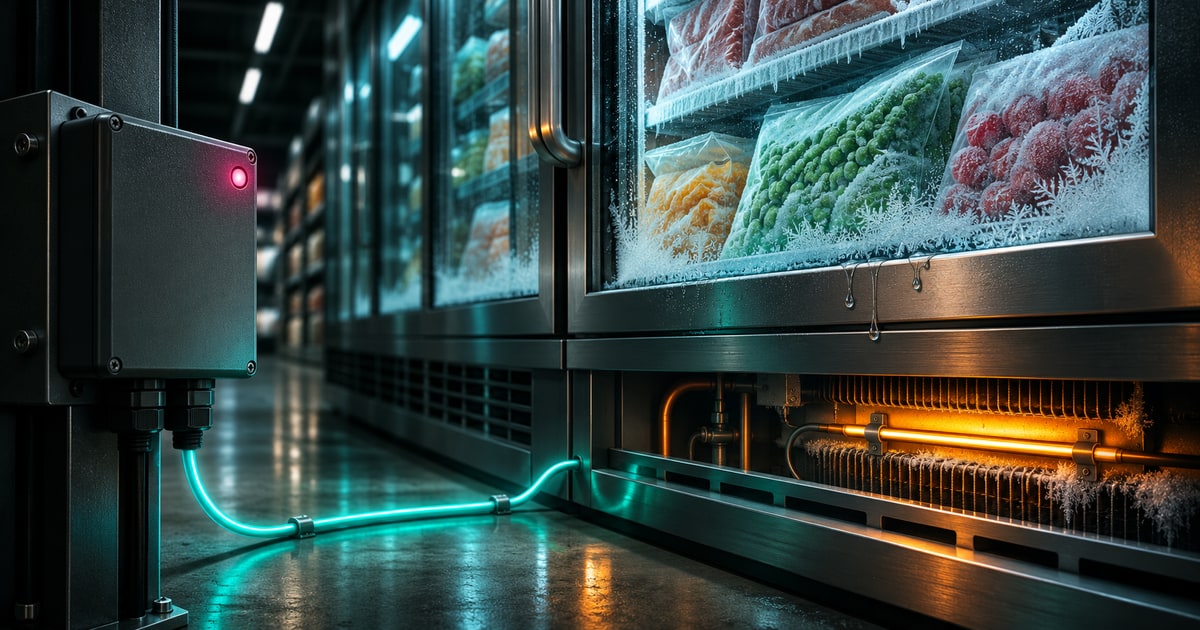
The day supermarket freezers became a target
From remote commands to lost food: the chronology, defrosting and the limits of temperature records.
 02
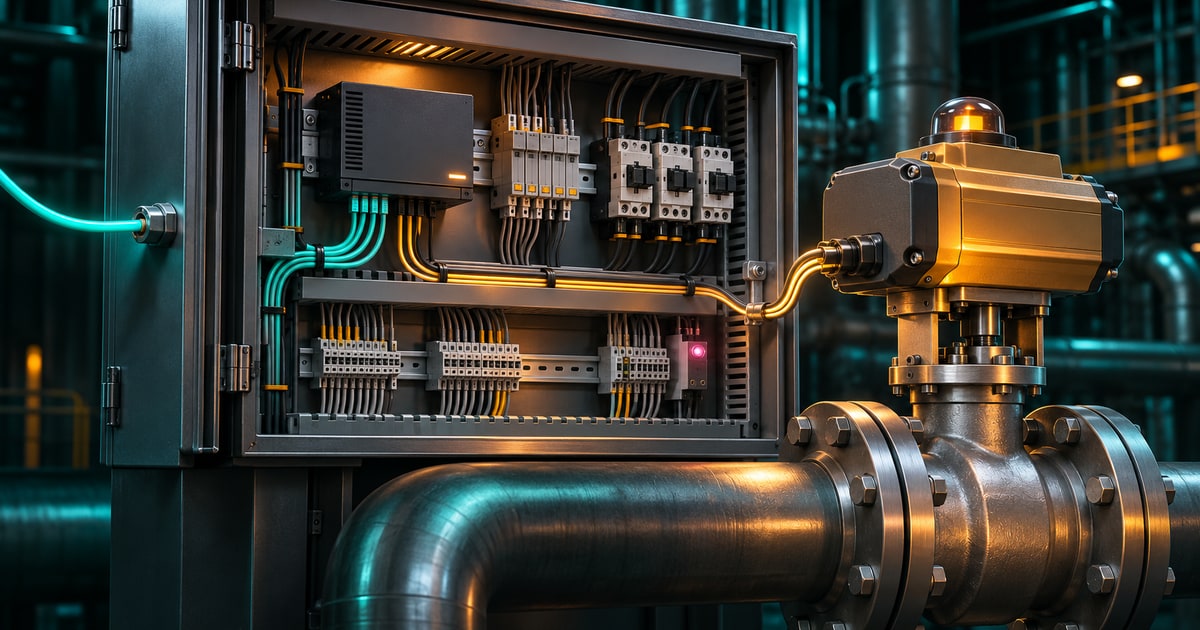
Who actually controls the machines?
Control loops, permissions and the configuration copies that determine how an installation operates.
 03
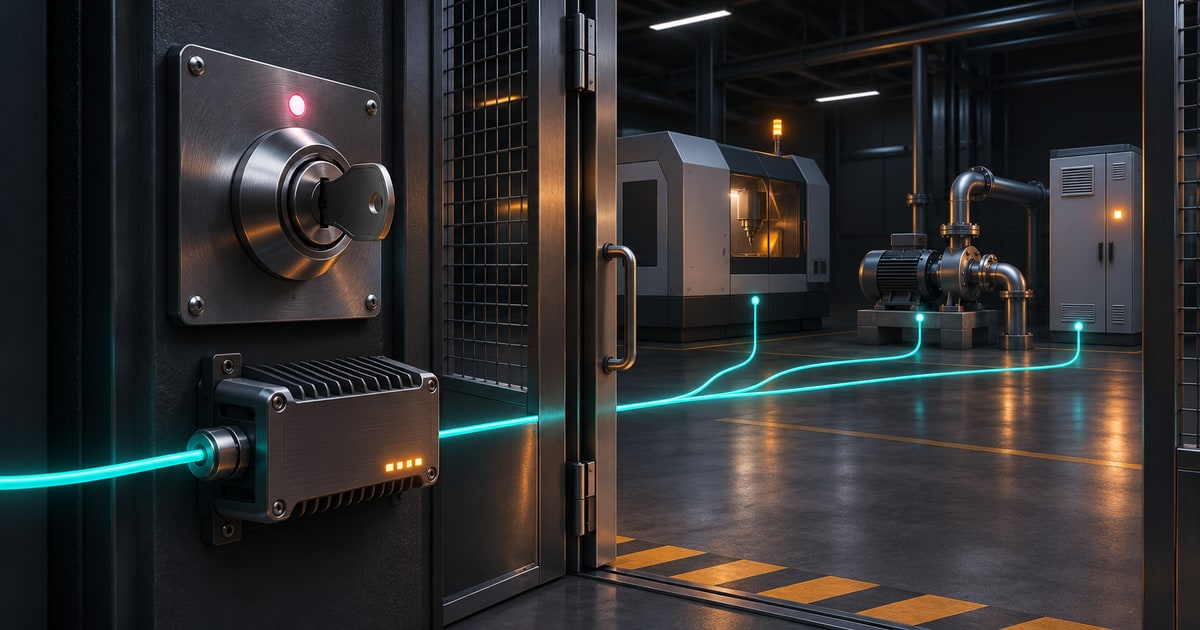
Remote maintenance: how far does a contractor’s access reach?
The technical reach of support, customer approval and closing the contractor’s access.
 04
Industrial sabotage: following the evidence
Records, public claims and the evidence needed to connect physical effects with responsible actors.
 05
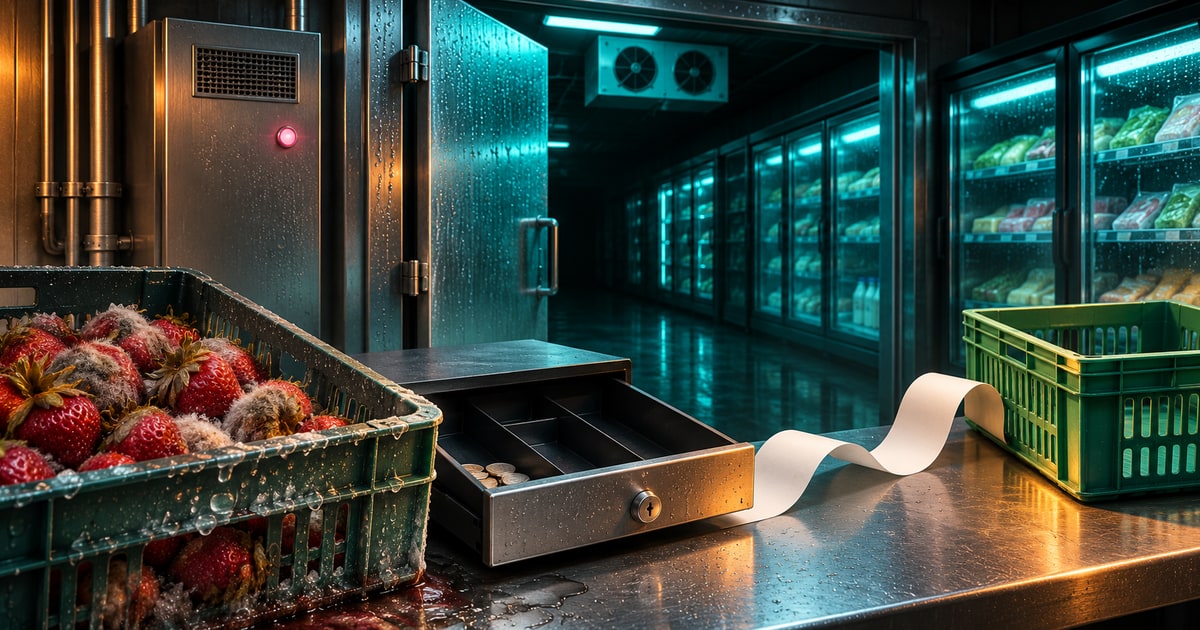
Refrigeration sabotage: who pays for spoiled stock?
Inventory value, economic loss, cash requirements and the conditions for insurance recovery.
 06
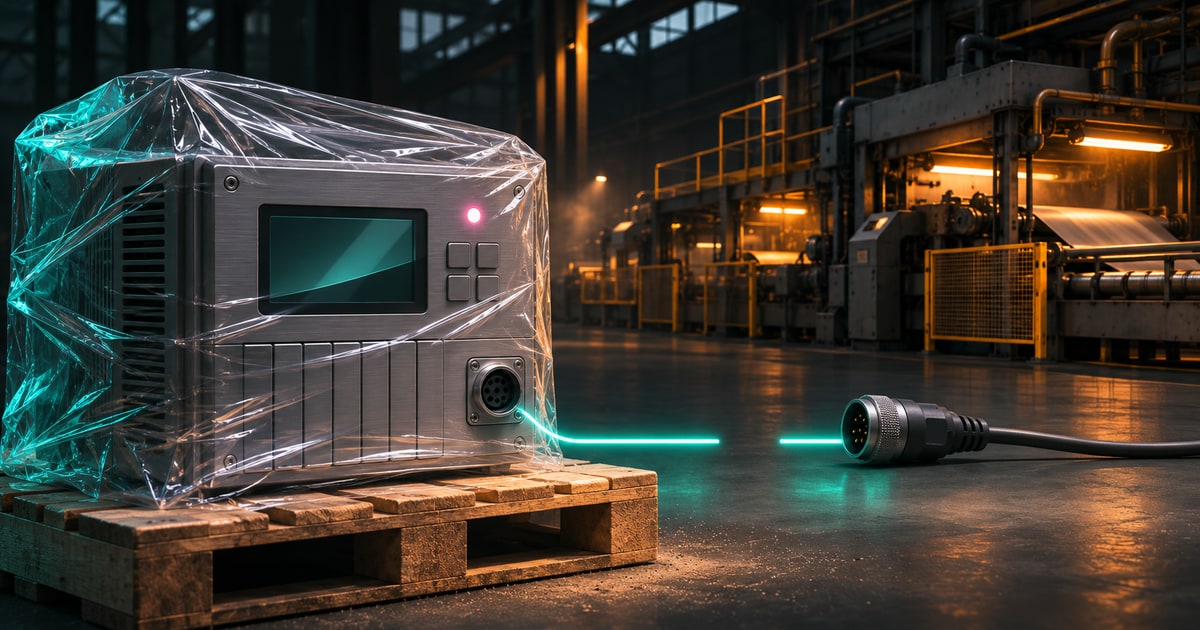
Europe’s cyber rules meet the factory floor
The CRA and NIS2 meet legacy equipment, support periods and the work of deploying updates.
 07
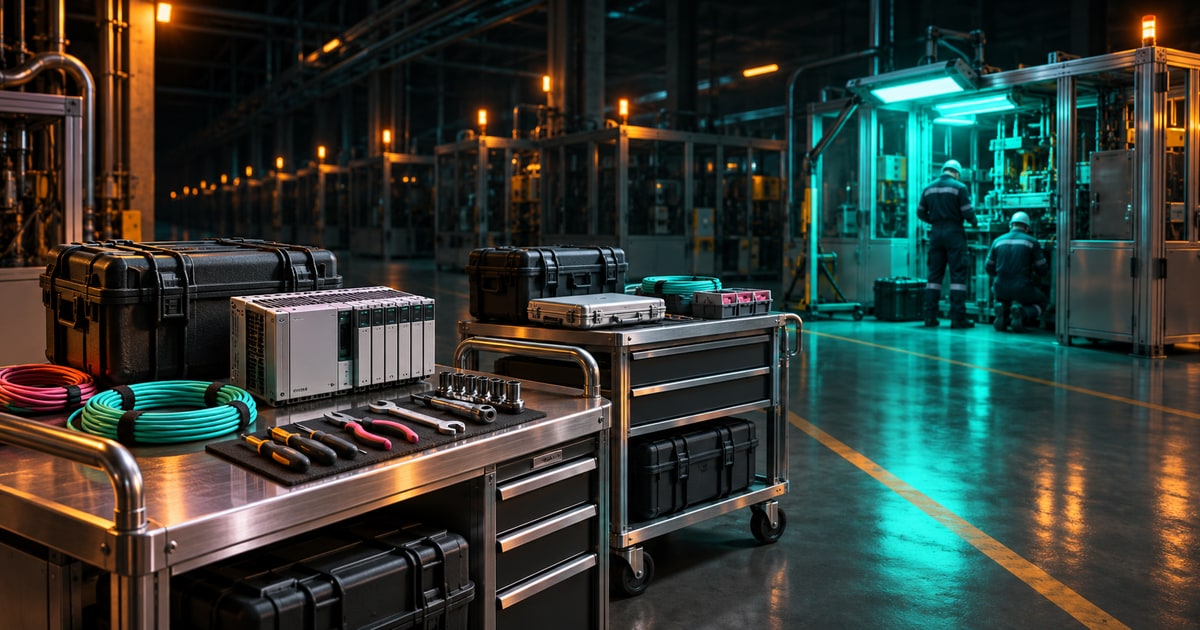
Industrial resilience: recovery has a capacity limit
Hydro’s experience and a fictional model connecting available teams, site waiting times and preparedness spending.
03 / reference
The language of machines and recovery
A glossary accompanies the book. These reference pages also support further reading online.
- Operational technology (OT)
- Digital systems that monitor or control a physical process, such as refrigeration. Security has to account for physical operation, availability and personal safety.
- Target temperature
- The target value requested of a control system. It differs from the temperature measured by a sensor and the temperature reached within the stored product.
- Cold chain
- Maintaining the temperature conditions needed to preserve food during production, storage, transport and sale. Requirements depend on the product and applicable rules.
- Supervisory control and data acquisition (SCADA)
- Systems that collect process data, display operating conditions and enable specified control actions. Functions can be distributed across components; supervision and local control have dependencies that require examination.
- Remote maintenance
- Maintenance performed remotely that can modify equipment settings or programs. It differs from observation-only remote diagnosis and from routine remote operation.
- Reversibility
- The ability to change a solution or supplier while retaining the functions and information needed to operate. For machinery, this depends in part on access to configurations, documentation and relevant expertise.
04 / conclusion
Retaining control through to recovery
A shop can regain refrigeration before its shelves are replenished. That sequence captures the difficulty running through this book: recovery comprises several states, each with its own conditions and evidence. Control works again; measurements become usable; a decision is made about the food; products can be offered for sale. Understanding a site’s position requires knowing which of those stages is meant by “restored”.
Control of a machine is built through the relationships that make those stages possible. An operator can own the equipment while another company holds the configuration, manages access or supplies the expertise needed to make a change. The documentation examined here gives those dependencies names. Contracts and deployed settings must then establish authority, responsibilities and the means of changing contractor. Remote maintenance retains its value when that arrangement makes repairs timely and the reach of access understandable.
The full conclusion connects control rights, evidence of damage and the resources needed to restore equipment to service.
05 / sources and edition
Evidence, models and the limits of this edition
Edition dated 4 November 2026. Documentary cut-off: 3 November 2026.
This edition, dated 4 November 2026, brings together the seven investigations as published on 3 and 4 November. Their documentary research is closed at 3 November 2026; the individual publication dates are retained. The introduction and conclusion are original syntheses based on those chapters. Publication as a book preserves the access limitations and uncertainties recorded in the articles.
Text, contents, glossary and infographics are available offline. External sources require a connection. Image enlargement and displayed colours depend on your reading app.
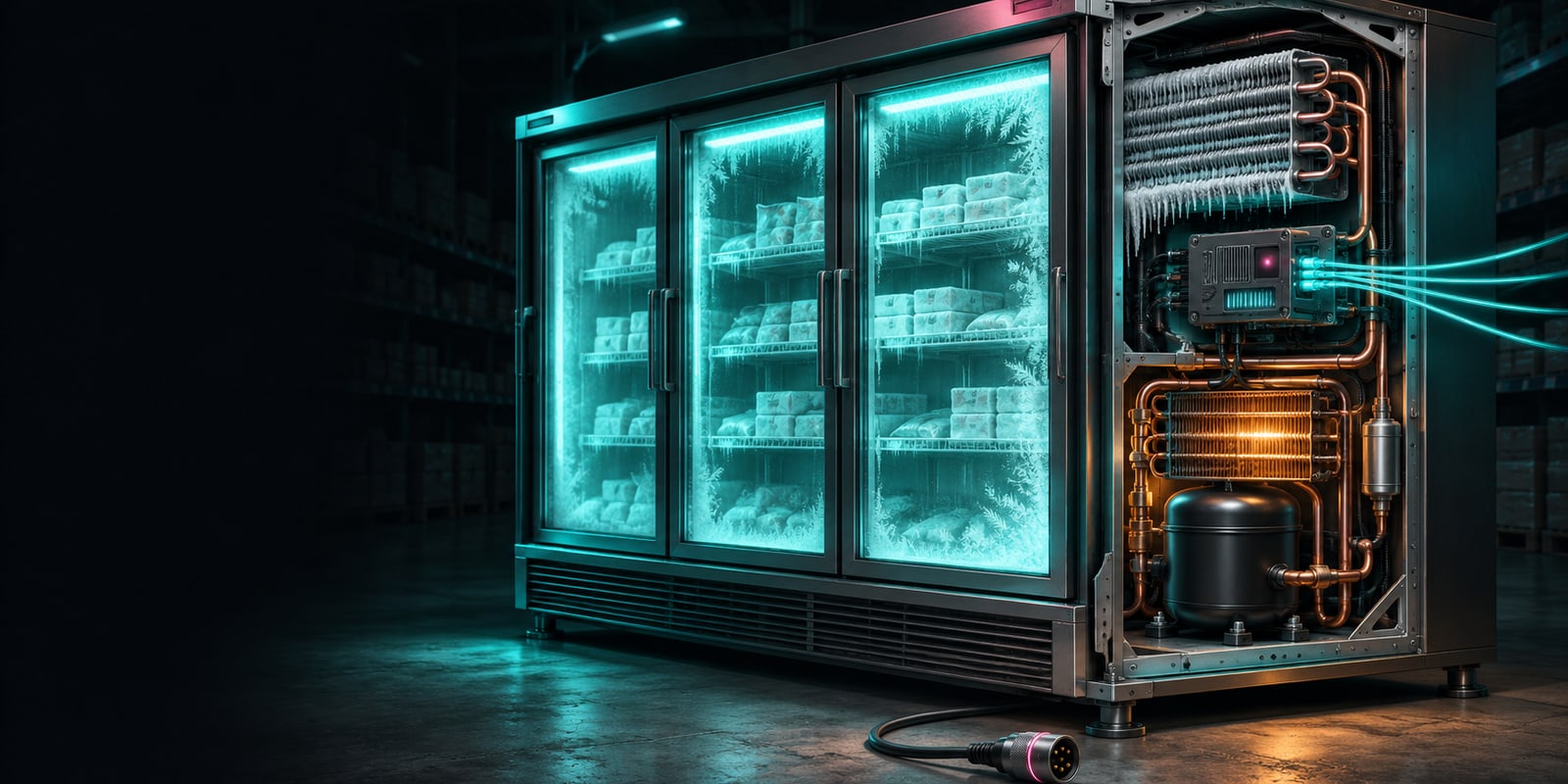
The covers and panorama are conceptual illustrations created with AI assistance. The infographics retain the articles’ dates, units, sources and limitations.
Free, without registration, embedded scripts or tracking. Creative Commons Attribution 4.0 International.
To help keep these investigations freely available, the support page accepts one-time or monthly contributions, with Bitcoin support also available. Support l0g
Check file integrity
EPUB 3 · 5.4 MB · SHA-256
458a9d6feb2e112ea1c48d9ec6fbed7a311b796a6d7f32b53fbc5b59d9c9d687